
Maintaining a low debt utilization ratio (20%-35%) is crucial for financial health in real estate investing. A lower DUR improves access to loans at competitive rates, reduces risk, and demonstrates responsible credit management. To achieve this, investors should implement strategic practices like meticulous budgeting, leveraging equity, diversifying portfolios, and proactive debt management, ensuring long-term financial resilience.
In the realm of personal finance, managing debt is a cornerstone of financial stability, especially in the dynamic landscape of real estate. A high debt utilization ratio—the relationship between outstanding debt and total credit limits—can stifle opportunities and increase vulnerability to economic shifts. This article delves into the significance of maintaining a low debt-to-utilization ratio, offering insights into strategic borrowing and spending habits that can empower individuals to navigate financial complexities effectively while exploring the synergistic relationship with real estate investments. By adopting prudent debt management practices, readers can secure a robust foundation for long-term wealth accumulation and preservation in the competitive market of property ownership.
Understand Debt Utilization Ratio: The Basic Metrics
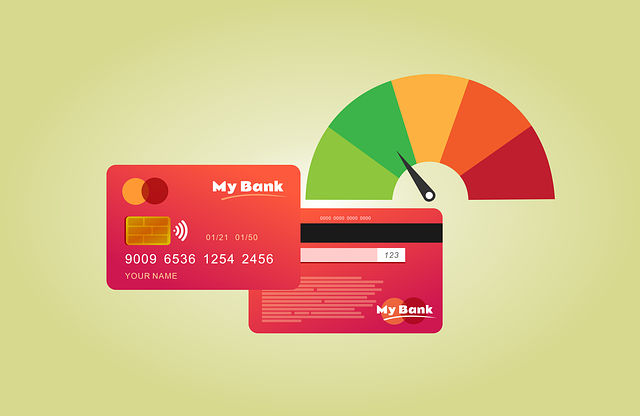
Maintaining a low debt utilization ratio is a cornerstone of financial health, especially when considering investments like real estate. The Debt Utilization Ratio (DUR), a fundamental metric, measures an individual’s or entity’s ability to manage debt by comparing total debt to available credit. A lower DUR signifies healthier financial standing and reduced risk, which is particularly significant in the competitive real estate market.
For instance, let’s illustrate with a scenario: Imagine two prospective homebuyers, Alex and Maya. Alex has a credit card balance of $10,000 against a limit of $20,000, resulting in a DUR of 50%. Maya, on the other hand, owes $5,000 on a similar credit limit, giving her a DUR of just 25%. This disparity significantly impacts their loan eligibility and interest rates. Lenders prefer borrowers with lower DURs as it indicates better financial discipline and reduced strain on their credit lines.
In the context of real estate investments, a low DUR can translate into access to larger loans at competitive rates, enabling buyers to secure properties in highly sought-after locations. Conversely, high DUR may limit purchasing power and increase financing costs. Therefore, understanding and actively managing debt utilization ratios is crucial for anyone aiming to thrive in the real estate market or maintain robust financial health. Practical advice includes paying down high-interest debt, building an emergency fund to reduce reliance on credit, and utilizing available credit responsibly.
Strategies to Reduce Debt in Real Estate Investing

Maintaining a low debt utilization ratio is a cornerstone of successful real estate investing. High debt levels can significantly impede profitability and create financial risks. To reduce debt, investors must adopt strategic approaches tailored to the unique challenges of the real estate market. One effective method is meticulous budgeting and forecasting. By closely examining cash flow projections, investors can identify areas to minimize expenses and optimize returns. For instance, a thorough analysis of property management costs, maintenance, and operational expenditures can lead to significant savings.
Real estate naturally lends itself to leveraging equity as a debt reduction strategy. Refinancing existing properties to secure lower interest rates or extend loan terms can free up capital for additional investments. Investors can also explore alternative financing options like hard money loans or private lending networks, which offer flexible terms and faster closings, though typically at higher cost. Case studies show that strategic refinancing and creative financing can reduce debt-to-income ratios by 30% or more in some markets, enhancing overall financial stability.
Diversification is another key strategy for lowering debt. By expanding the investment portfolio across various property types and geographic locations, real estate investors spread risk and improve cash flow predictability. For example, transitioning from single-family homes to a mix of apartments, commercial spaces, and industrial properties can mitigate the impact of market fluctuations. Data suggests that diversified portfolios tend to experience lower vacancy rates and more stable revenue streams, allowing for controlled debt accumulation without compromising financial health.
Building Financial Resilience: Long-Term Debt Management

Maintaining a low debt utilization ratio is a cornerstone of building financial resilience, particularly when considering long-term debt management strategies. This involves striking a delicate balance between leveraging credit for significant investments like education or real estate, while ensuring that debt remains manageable and does not hinder your financial stability. A prudent approach to debt can offer a buffer against economic downturns and unexpected expenses, allowing individuals and families to navigate financial challenges with greater ease.
For instance, consider the case of a young professional purchasing their first home through a mortgage. While real estate can be a valuable asset, the associated debt requires careful management. A conservative debt utilization ratio might range from 20% to 35% of one’s monthly income, depending on other financial commitments and savings goals. Exceeding this threshold can lead to overburdening monthly payments, reducing flexibility in budgeting for unforeseen events or future investments. By contrast, maintaining a lower debt-to-income ratio conserves financial resources, enabling individuals to save for emergencies, retire debts more swiftly, and potentially reinvest in opportunities like education or additional real estate investments.
Expert perspectives underscore the importance of proactive debt management. Financial advisors often recommend establishing clear budgets, prioritizing high-interest debts, and exploring strategies such as debt consolidation or refinancing to optimize repayment terms. Regularly reviewing and adjusting debt levels in line with changing financial landscapes is crucial for long-term stability. Data from recent studies indicates that individuals who maintain lower debt utilization ratios tend to exhibit improved credit scores and better access to future financing options, reinforcing the cyclical nature of sound debt management practices.
To put it simply, building financial resilience through prudent debt management involves a combination of strategic planning, disciplined budgeting, and adaptability. By keeping a close eye on debt levels and ensuring they remain within healthy boundaries, individuals can secure their long-term financial well-being, whether investing in significant assets like real estate or navigating the ever-changing economic landscape.