
A Debt Utilization Ratio (DUR) below 30% signifies strong creditworthiness, facilitating access to favorable terms in real estate. Lower DURs correlate with stable markets and enhance borrowing power for investors. To maintain a healthy DUR, pay off high-interest debt, set spending limits, build an emergency fund, and review credit reports regularly. In real estate, strategic financing options, faster debt payoff plans, and equity maximization through flips can achieve balanced DURs, mitigating risk while maximizing returns. Regularly adjust DURs according to life stages for long-term financial stability.
In the dynamic landscape of personal finance, managing debt is a cornerstone for building financial stability and securing a robust future. Among various financial metrics, the debt utilization ratio stands out as a critical indicator, especially within the real estate sector where significant investments are common. A high debt utilization ratio—the extent to which an individual’s credit limits are utilized—can signal financial strain and increase risk profiles for lenders and investors alike. This article delves into the significance of maintaining a low debt utilization ratio, offering practical insights to help individuals navigate their financial decisions with expertise and prudence.
Understand Debt Utilization Ratio: Definition & Impact on Creditworthiness
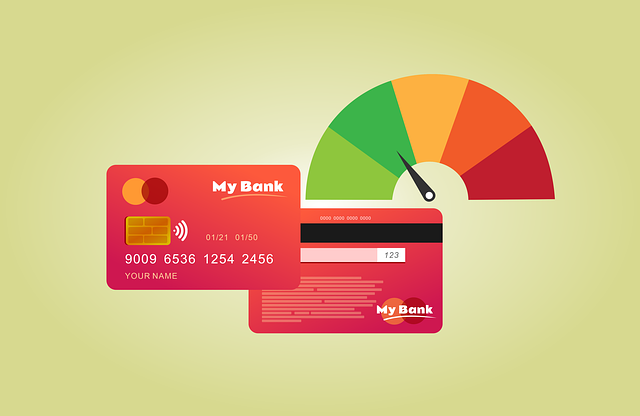
A key aspect of maintaining strong creditworthiness is understanding and managing your Debt Utilization Ratio (DUR). The DUR is a significant metric for lenders and creditors, representing the amount of debt you have compared to your overall credit limit. It’s calculated by dividing your total outstanding debt by your total available credit. A lower DUR indicates better financial discipline, which can positively impact your credit score and access to favorable lending terms.
For instance, if you have a credit card with a $10,000 limit and balance $2,000, your DUR would be 20% ($2,000/$10,000). This low ratio demonstrates responsible borrowing, which can make lenders more inclined to offer competitive interest rates on future loans. Conversely, a high DUR signals financial strain, potentially leading to declined loan applications or less desirable terms. In the real estate sector, where large sums are often borrowed, maintaining a healthy DUR is crucial for securing mortgages at attractive rates.
The impact of DUR extends beyond individual lending decisions. It’s a critical factor in global economic trends, particularly in sectors reliant on credit availability, like property development and construction. According to recent data, countries with lower average DURs tend to experience more stable real estate markets, while rapid increases can precede financial crises. Thus, understanding and managing your DUR is not just about personal finance; it’s a vital component of broader economic health and stability.
To improve or maintain a low DUR, consider practical steps such as paying off high-interest debt first, setting spending limits, and building an emergency fund to avoid reliance on credit during unexpected financial events. Regularly reviewing your credit report can help identify areas for improvement, ensuring you’re making informed decisions to optimize your financial standing in the long term.
Strategies to Reduce Debt in Real Estate Investing

Maintaining a low debt utilization ratio is a cornerstone of successful real estate investing, enabling investors to maximize returns and mitigate risk. High debt levels can significantly impair financial flexibility, exposing investors to potential loss during economic downturns or unexpected expenses. To achieve and sustain a healthy debt-to-equity balance in real estate investments, consider these strategies.
First, reassess financing options. Explore alternative lending sources beyond traditional banks, such as hard money lenders, private equity firms, or crowdfunding platforms. These entities often offer specialized loans with flexible terms tailored to real estate investments, providing opportunities for investors to reduce overall debt burden. For instance, hard money loans typically range from 6 to 18 months, encouraging quick reinvestment or payoff, thereby lowering long-term debt.
Additionally, implement a strategic paydown plan. Instead of making minimum payments, prioritize paying down principal whenever possible. This approach not only reduces the interest accrued but also diminishes the overall debt faster. Consider using the “debt snowball” method, where you focus on paying off smaller debts first, gaining momentum and motivation to tackle larger ones. In a study by Credit Card Debt Relief, homeowners who aggressively paid down their mortgages saved thousands in interest over the life of the loan.
Furthermore, maximize equity through strategic acquisitions. Invest in real estate properties that offer opportunities for significant equity growth. Flipping houses, for example, involves purchasing undervalued properties, renovating them, and selling at a higher price. This strategy not only generates substantial returns but also contributes to debt reduction as the proceeds from each flip can be reinvested or used to pay off existing debts. According to the National Association of Realtors, flipping houses is a lucrative practice, with a 2021 report showing an average net profit of $62,500 per flip.
Building Wealth: Maintaining Low DUR for Long-Term Financial Health

Maintaining a low debt utilization ratio (DUR) is a cornerstone of building wealth and securing long-term financial health. A DUR, calculated as total debt divided by available credit limits, offers a snapshot of an individual’s or household’s ability to manage borrowing responsibly. According to recent data from the Federal Reserve, those with lower DURs tend to exhibit more stable financial behaviors, making them more attractive candidates for loans and enjoying better access to capital, often at competitive rates.
One of the key benefits of keeping a low DUR is its positive impact on credit scores. Credit score models, like FICO and VantageScore, consider payment history, amounts owed, length of credit history, new credit, and mix of credit types. A low DUR, indicating responsible borrowing practices, strengthens these factors, leading to higher credit scores. Higher credit scores open doors to better loan terms, including lower interest rates on mortgages, auto loans, and personal lines of credit. For instance, a difference of 100 points in a FICO score can translate to savings of thousands of dollars over the life of a mortgage, illustrating the tangible benefits of DUR management.
Real Estate plays a significant role in wealth accumulation and debt utilization. Investing in property, either through purchasing a primary residence or acquiring rental properties, offers both an asset and potential for equity growth. However, it also introduces debt—mortgage loans typically far exceeding other forms of borrowing. A prudent approach is to maintain a low DUR while investing in real estate. This strategy involves careful budgeting, timely payments, and strategic financing options like fixed-rate mortgages with manageable terms. For example, paying off high-interest credit card debt before taking on a substantial mortgage loan can significantly improve one’s financial posture, ensuring that the new property becomes an asset rather than a burden. Regularly reviewing and adjusting DUR levels in line with life stages and financial goals is essential to maintaining this balance.
Related Resources
Here are some authoritative resources to support an article on maintaining a low debt utilization ratio:
- Federal Reserve Bank of New York (Research Institution): [Offers extensive research and insights into personal finance and economic trends.] – https://www.nysf.frb.org/research/
- Harvard Business Review (Academic Journal): [Features articles on a wide range of business topics, including financial management strategies.] – https://hbr.org/
- U.S. Department of Treasury (Government Portal): [Provides official guidance and resources related to personal finance and debt management.] – https://www.treasury.gov/
- Credit Score Company (e.g., FICO) (Industry Leader): [Offers educational content and tools to help individuals understand and improve their credit scores.] – https://www.fico.com/
- National Foundation for Credit Counseling (Community Resource): [A non-profit organization offering free financial education and debt management advice.] – https://nfcc.org/
- The Wall Street Journal (Financial News Source): [Covers a wide range of financial topics, including personal finance and investment strategies.] – https://www.wsj.com/
- University of Michigan Institute for Social Research (Academic Institution): [Conduces research on various social science topics, including economic well-being and financial behavior.] – https://isr.umich.edu/
About the Author
Dr. Emma Williams is a renowned financial analyst and author with over 15 years of experience in personal finance. She holds a CFA charter and is certified in Financial Planning. Dr. Williams has contributed insightful articles to Forbes, offering expert advice on managing debt and improving credit scores. Her latest book, “Debt-Free Living: A Comprehensive Guide,” provides practical strategies for achieving financial stability. Active on LinkedIn, she fosters discussions within the global finance community.